 17 Oct, 2026
Stroke Symptoms, Causes and Treatment: Understanding the Importance of Timely Care
A stroke is a serious medical condition that occurs when the blood supply to part of the brain is interrupted or when a blood vessel in the brain ruptures. Because brain cells depend on a continuous supply of oxygen and nutrients, a stroke can cause neurological damage within a short period.
Recognising stroke symptoms and seeking emergency medical care promptly are essential steps in reducing the risk of severe complications. Understanding the different types of stroke, diagnostic procedures, and available treatment options can help patients and their families make informed healthcare decisions.
What Is a Stroke?
A stroke occurs when the normal flow of blood to the brain is disrupted. There are two major types of stroke.
Ischemic Stroke: This occurs when a blood clot or another blockage prevents blood from reaching part of the brain.
Hemorrhagic Stroke: This occurs when a blood vessel ruptures, causing bleeding in or around the brain.
Both types require urgent medical evaluation, but their treatments differ. Identifying the type of stroke is essential before selecting the appropriate treatment.
Common Warning Signs of a Stroke
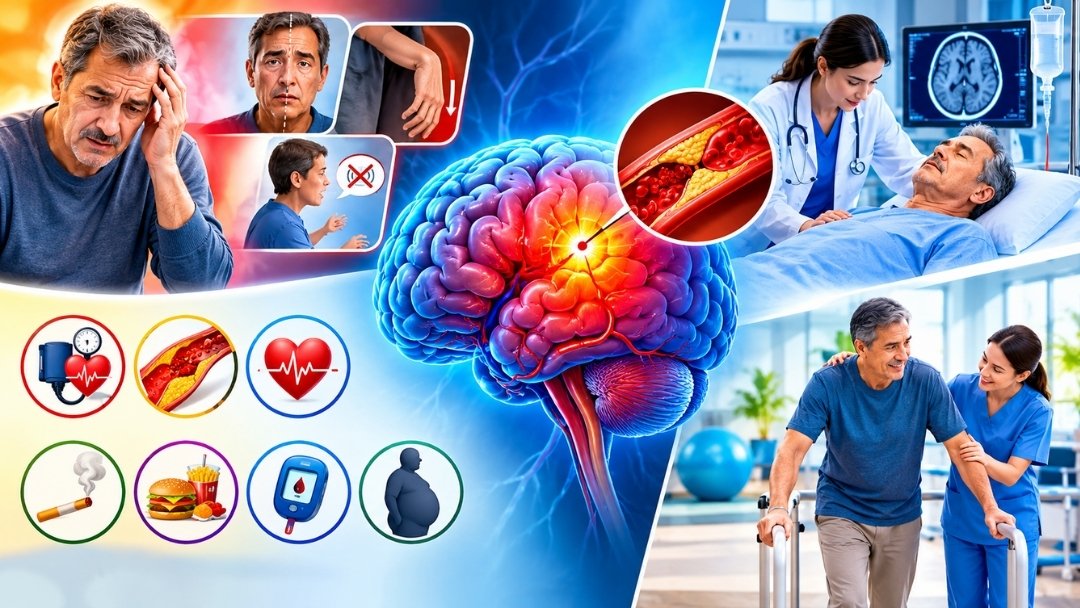
Stroke symptoms often develop suddenly. The warning signs may include:
-
Sudden weakness or numbness in the face, arm, or leg, particularly on one side.
-
Difficulty speaking or understanding speech.
-
Sudden vision problems.
-
Loss of balance or coordination.
-
Difficulty walking or unexplained dizziness.
-
A sudden, severe headache, particularly in cases involving bleeding.
The FAST approach can help people recognise common stroke symptoms:
-
F — Face: One side of the face may droop.
-
A — Arms: One arm may become weak or drift downward.
-
S — Speech: Speech may become unclear or difficult to understand.
-
T — Time: Seek emergency medical assistance immediately.
Even if symptoms disappear after a few minutes, emergency assessment remains important because a transient ischemic attack may be a warning of a future stroke.
What Causes a Stroke?
Several factors can increase the risk of stroke, including high blood pressure, diabetes, high cholesterol, smoking, certain heart conditions, and a previous history of stroke or transient ischemic attack.
Some strokes are associated with blood clots that form within blood vessels or travel from other parts of the body. Others result from bleeding caused by a damaged or weakened blood vessel.
Managing relevant medical conditions, following prescribed treatment, avoiding smoking, maintaining physical activity, and attending regular medical check-ups may help reduce stroke risk.
How Is a Stroke Diagnosed?
Rapid diagnosis helps doctors determine the type of stroke and identify the most appropriate treatment.
CT Scan: A CT scan can help identify bleeding in the brain and assess other abnormalities.
MRI: Magnetic resonance imaging can provide detailed information about brain tissue and help identify areas affected by a stroke.
CT Angiography or MR Angiography: These investigations help evaluate blood vessels and identify certain blockages, narrowing, or vascular abnormalities.
Blood Tests and Cardiac Evaluation: Additional tests may help identify contributing factors, including blood sugar abnormalities, clotting problems, or certain heart conditions.
The investigations required depend on the patient's symptoms and clinical condition.
Stroke Treatment Options
Treatment depends on whether the stroke is caused by a blockage or bleeding, how much time has passed since symptoms began, and the patient's overall medical condition.
1. Emergency Medication
Selected patients with an ischemic stroke may be eligible for clot-dissolving medication. Eligibility depends on factors such as the time since symptom onset, imaging findings, medical history, and bleeding risk.
2. Endovascular Thrombectomy
Endovascular thrombectomy is a procedure used for selected ischemic strokes caused by large-vessel blockages. A specialist guides a catheter through the blood vessels to the blocked artery and removes the clot using specialised devices.
This procedure can improve outcomes for appropriately selected patients, but it is not suitable for every stroke. Rapid hospital assessment is essential.
3. Treatment for Hemorrhagic Stroke
When a stroke results from bleeding, treatment focuses on controlling the bleeding, managing blood pressure, reducing dangerous pressure within the skull when necessary, and addressing the underlying cause.
Some patients may require surgery or an endovascular procedure, depending on the source and severity of the bleeding.
4. Rehabilitation and Recovery
Recovery after a stroke varies from person to person. Depending on the effects of the stroke, rehabilitation may involve physiotherapy, occupational therapy, speech therapy, and other supportive care.
Follow-up appointments and management of risk factors are also important for reducing the risk of another stroke.
The Role of an Endovascular Neurosurgeon
Endovascular specialists evaluate and treat selected conditions affecting the blood vessels of the brain using catheter-based techniques.
Depending on their training and clinical practice, they may participate in the management of certain ischemic strokes, brain aneurysms, arteriovenous malformations, and other neurovascular conditions.
The decision to use an endovascular procedure depends on the patient's diagnosis, imaging findings, available treatment options, and overall health.
Why Timely Medical Attention Matters
Stroke treatment is time-sensitive. Delaying medical assessment can reduce the opportunity to use certain treatments and may increase the risk of permanent neurological damage.
If someone develops sudden facial drooping, limb weakness, speech difficulties, or other possible stroke symptoms, contact emergency services immediately. Note the time the symptoms began, and do not wait for symptoms to resolve.
Conclusion
Understanding stroke symptoms, causes, and treatment options can help patients and families respond quickly when an emergency occurs. Prompt medical assessment, appropriate treatment, rehabilitation, and ongoing prevention measures all play important roles in stroke care.
Dr. Vivek Vaid, Brain & Spine Neurosurgeon and Endovascular Neurosurgeon, has a professional focus on neurosurgical and neurovascular care. Patients requiring evaluation of a neurological or vascular condition should consult an appropriately qualified specialist.