 19 Oct, 2026
Slip Disc Treatment: Symptoms, Diagnosis and Advanced Spine Care
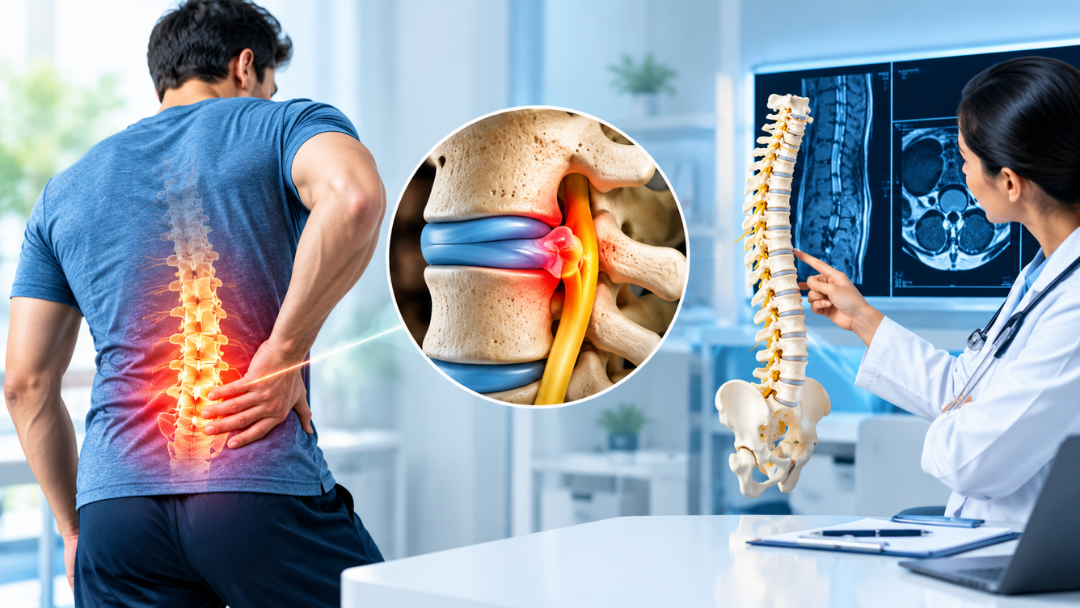
A slipped disc, medically known as a herniated or prolapsed intervertebral disc, is a common spinal condition that can cause back pain, neck pain, numbness, tingling, or pain radiating into the arms or legs. It occurs when the soft inner portion of a spinal disc pushes through a weakened area of its outer layer and may irritate nearby nerves.
Although many people improve with non-surgical treatment, some patients require specialist assessment when symptoms persist or neurological problems develop.
What Causes a Slip Disc?
Spinal discs act as cushions between the bones of the spine. They help absorb pressure and allow the spine to move comfortably.
A disc may herniate because of several factors, including:
-
Age-related wear and tear
-
Repeated bending, twisting, or heavy lifting
-
Sudden strain or injury
-
Prolonged sitting and poor lifting techniques
-
Excess body weight, which can increase stress on the spine
A slip disc can occur in the cervical spine (neck), thoracic spine (middle back), or lumbar spine (lower back). Lumbar disc herniation is a common cause of sciatica, in which pain travels from the lower back into the buttock and leg.
Common Symptoms of a Herniated Disc
Symptoms vary depending on the location of the affected disc and whether a spinal nerve is compressed.
Common signs include:
-
Lower back or neck pain
-
Pain radiating into an arm or leg
-
Tingling or numbness
-
Muscle weakness
-
Pain that becomes worse with certain movements, coughing, or sneezing
Not every disc herniation causes symptoms. Imaging findings must be interpreted alongside the patient's symptoms and physical examination.
How Is a Slip Disc Diagnosed?
A spine specialist generally begins with a medical history and neurological examination to assess pain, sensation, muscle strength, and reflexes.
Investigations may include:
MRI scan: Helps identify disc herniation, nerve compression, and other soft-tissue abnormalities.
CT scan: May provide additional information about spinal structures, particularly when MRI is unsuitable or further assessment is needed.
X-rays: Can help assess spinal alignment and certain bony changes, although they do not directly show most disc herniations.
An MRI is not necessary for every patient. The need for imaging depends on symptoms, examination findings, and clinical concerns.
What Are the Treatment Options for a Slip Disc?
Treatment is selected according to the severity of symptoms, neurological findings, and response to initial care.
1. Conservative Treatment
Many patients improve without surgery. Depending on the individual condition, treatment may include activity modification, appropriate pain-relieving medication prescribed by a clinician, and a guided physiotherapy programme.
Prolonged bed rest is generally discouraged. Returning gradually to suitable daily activities can support recovery.
2. Physiotherapy and Rehabilitation
A structured rehabilitation programme may help improve mobility, flexibility, strength, and posture. Exercises should be selected according to the patient's symptoms and functional ability.
3. Image-Guided Injections
In selected cases, an epidural steroid injection may be considered to help reduce nerve-related inflammation and pain. The benefits, limitations, and potential risks should be discussed with the treating specialist.
4. Spine Surgery
Surgery may be considered when symptoms remain disabling despite appropriate non-surgical treatment, or when significant neurological problems require intervention.
Depending on the diagnosis, procedures such as a microdiscectomy or another suitable decompression technique may be recommended. The goal is to relieve pressure on the affected nerve while considering spinal stability and the patient's overall condition.
When Should You Consult a Neurosurgeon?
Medical assessment is advisable if back or neck pain persists, pain travels into an arm or leg, numbness develops, or muscle weakness affects daily activities.
Seek emergency medical care immediately if you develop new loss of bladder or bowel control, difficulty passing urine, numbness around the groin or saddle region, or rapidly worsening leg weakness. These can be warning signs of serious nerve compression.
Can a Slip Disc Be Prevented?
Although not every disc herniation can be prevented, certain habits may support spinal health:
-
Maintain regular, appropriate physical activity.
-
Strengthen the core muscles with suitable exercises.
-
Use correct lifting techniques.
-
Avoid prolonged periods in one position.
-
Maintain a healthy body weight.
-
Seek professional guidance if recurring pain or neurological symptoms develop.
Conclusion
A slipped disc does not automatically mean that surgery is necessary. Many patients improve with conservative care, rehabilitation, and appropriate follow-up. When symptoms are severe, persistent, or associated with neurological changes, an evaluation by a spine specialist can help determine the safest and most appropriate treatment.
Dr. Vivek Vaid, Brain & Spine Neurosurgeon and Endovascular Neurosurgeon, provides specialist evaluation for spinal and neurological conditions. An individual assessment is essential to determine the right treatment approach.
Medical disclaimer: This article is for general educational purposes only and does not replace a medical consultation.
Frequently Asked Questions
1. Can a slip disc heal without surgery?
Yes. Many symptomatic disc herniations improve over time with appropriate non-surgical treatment and rehabilitation.
2. Is surgery always necessary for a slip disc?
No. Surgery is generally considered when symptoms, examination findings, and response to other treatments indicate that an operation may be beneficial.
3. Can walking help with a slip disc?
Gentle walking may be helpful for many patients, provided it does not significantly worsen symptoms. Activity should be adjusted to individual tolerance and medical advice.
4. When is a slip disc an emergency?
New bladder or bowel dysfunction, numbness around the groin, or rapidly progressive weakness requires immediate emergency assessment.
5. Which scan is best for diagnosing a slip disc?
MRI is commonly used when imaging is indicated because it shows spinal discs and nerves in detail. The appropriate investigation depends on the patient's clinical condition.